Criolla brine and salmorejo: dressings for the grill
By Selinger Barbacoas7 min read
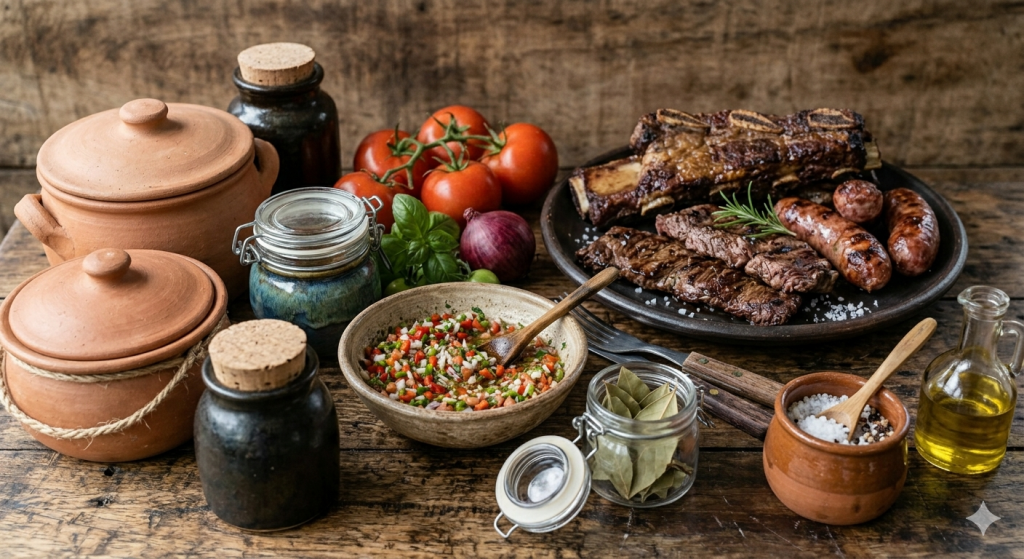
The art of cooking on an Argentine grill goes far beyond mastering the fire and choosing a good Argentine cut of beef. The real secret of an unforgettable asado, for the demanding enthusiast and the hospitality professional alike, lies in balance of flavours. Dressings and sauces do not just accompany the meat; they bring out the gastronomic qualities of each piece, turning a simple meal into a sensory experience and a focus of attention at events or individual tastings.
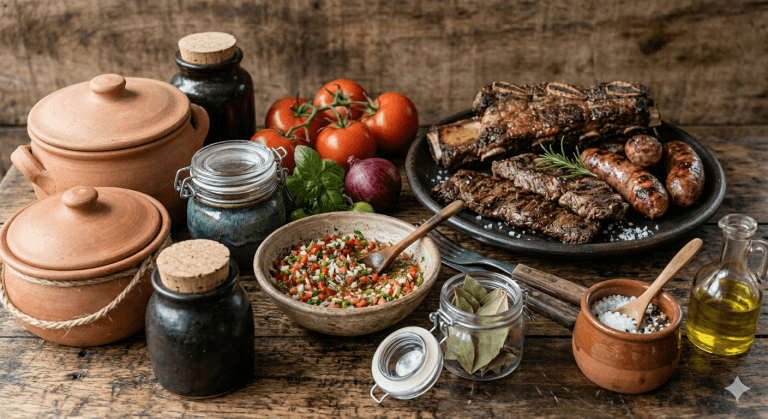
In this article we bring together the River Plate asado tradition and the deep roots of Mediterranean cooking. We look at how traditional salmuera (brine) and Spanish salmorejo, together with other essential dressings, become your best allies for raising the standard of your presentations and surprising your guests or customers.
The value of the dressing in high-end live-fire cooking
In the professional sector and at private events of quality, personalisation is the key to success. Offering a custom barbecue means understanding the raw ingredient and knowing how to bring it out without masking its quality. A first-rate Argentine cut, such as vacío or entraña, calls for absolute respect for its original flavour, but a well-made dressing can make the difference between a good dish and an exceptional one.
Dressings do three basic technical jobs on the grill:
Moisture: they keep the inside of the meat juicy during long cooking times.
Contrast: they add sharp, salty or herbal notes that balance the natural fat of the more marbled cuts.
Presentation and textures: sauces and emulsions add a visual element and a smoothness that improves the experience in the mouth during tastings.
Argentine salmuera: the secret of juiciness and the right amount of salt
Unlike the European habit of salting meat dry before it goes on the fire, the traditional Argentine salmuera is a liquid dressing that is applied during cooking. This lets the salt penetrate evenly and helps the fibres of the meat hold on to their natural juices.
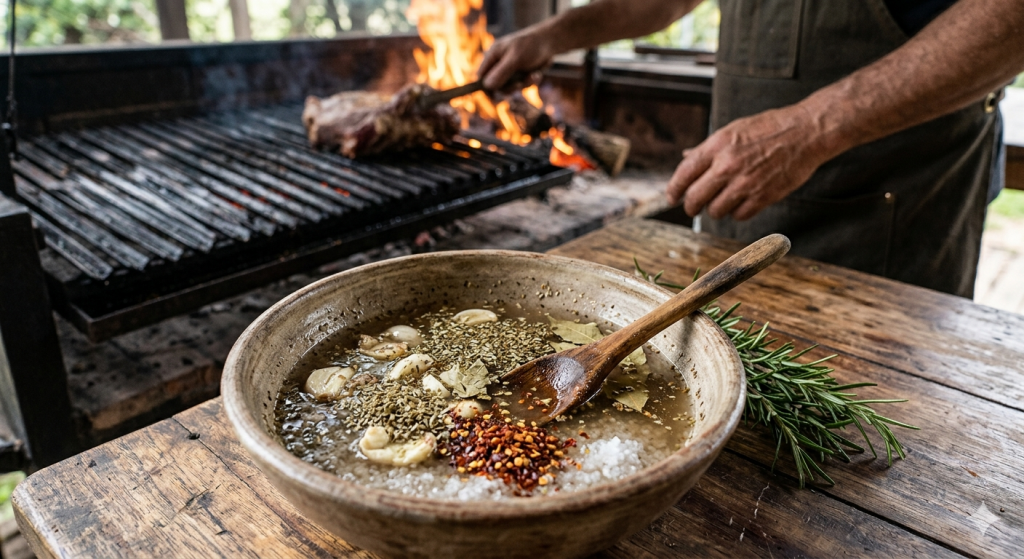
Technical recipe for salmuera criolla
To make a balanced, professional salmuera, ideal for brushing on with a sprig of rosemary or a brush while on the grill, use the following proportions:
500 ml of lukewarm water (to help the salt dissolve).
40 grams of good-quality coarse salt.
4 garlic cloves, crushed.
1 tablespoon of dried oregano.
1 bay leaf.
A pinch of ground ají (optional, for a slight touch of heat).
Method and how to apply it
Dissolve the salt in the lukewarm water and add the remaining ingredients. Leave the mixture to rest for at least two hours before the asado so that the aromas come together properly.
While cooking on the Argentine grill, sprinkle the meat steadily each time you turn it. This method is especially effective on large, slow-cooking pieces, giving a crisp crust on the outside and a very tender texture inside.
Spanish salmorejo: from the spoon to the grill as an accompanying sauce
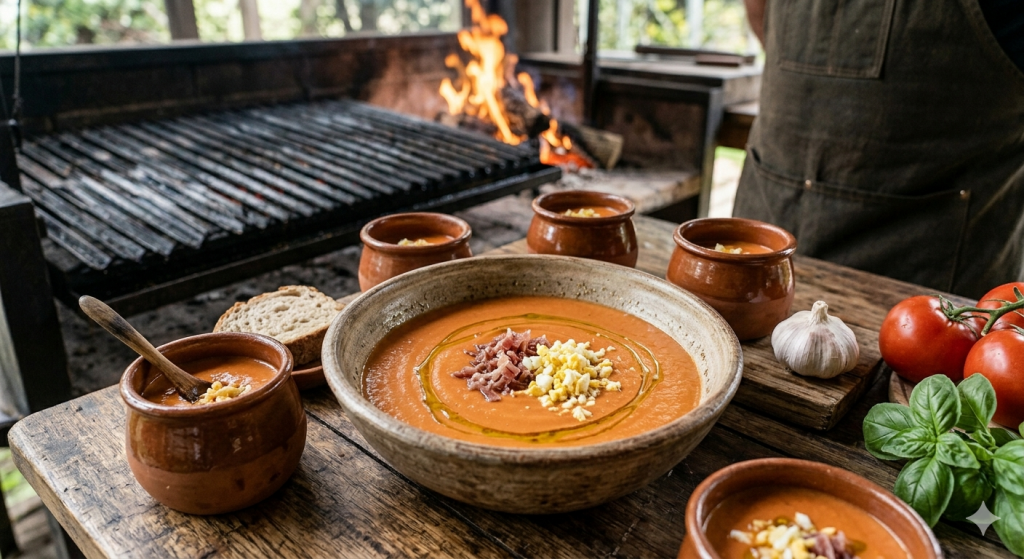
Córdoba-style salmorejo is one of the jewels of Spanish cooking. Although it is traditionally eaten as a cold first course, its dense texture, its touch of acidity and its smoothness make it an excellent sauce to go with meats cooked over embers, especially cuts of Iberian pork or vegetables roasted in the embers.
Salmorejo recipe for professional tastings
To get the creamy, emulsified consistency you need for elegant plating at a barbecue, follow this formula:
1 kg of ripe tomatoes (preferably the pear type, blanched and peeled).
200 grams of crusty country bread with a dense crumb (from the day before).
150 ml of extra virgin olive oil (picual or cornicabra for more character).
1 garlic clove (remove the green germ in the centre to soften the aftertaste).
Salt to taste.
Step-by-step method
Blend the tomatoes and strain them to remove any remaining seeds. Add the bread in pieces and let it soak up the tomato juice for ten minutes. Add the garlic and salt, and blend at full power.
Without stopping the blender or food processor, pour in the extra virgin olive oil in a thin stream to get a perfect emulsion and a velvety texture. Serve cold at the base of the plate or in individual bowls next to the hot cut of meat.
Other essential dressings for a complete menu
To design an appealing tasting experience for private customers and hospitality professionals, it is a good idea to offer variety and liveliness of flavour. Two options that go perfectly with the pair above are chimichurri and salsa criolla.
The signature chimichurri
This undisputed classic of the asado cannot be left out. A professional version first rehydrates the dried herbs (oregano, thyme, parsley and ground ají) with a splash of warm water, then adds finely chopped garlic, sunflower oil or a mild olive oil, and a good-quality red wine vinegar. The trade secret is resting time: leave it for at least 48 hours before serving.
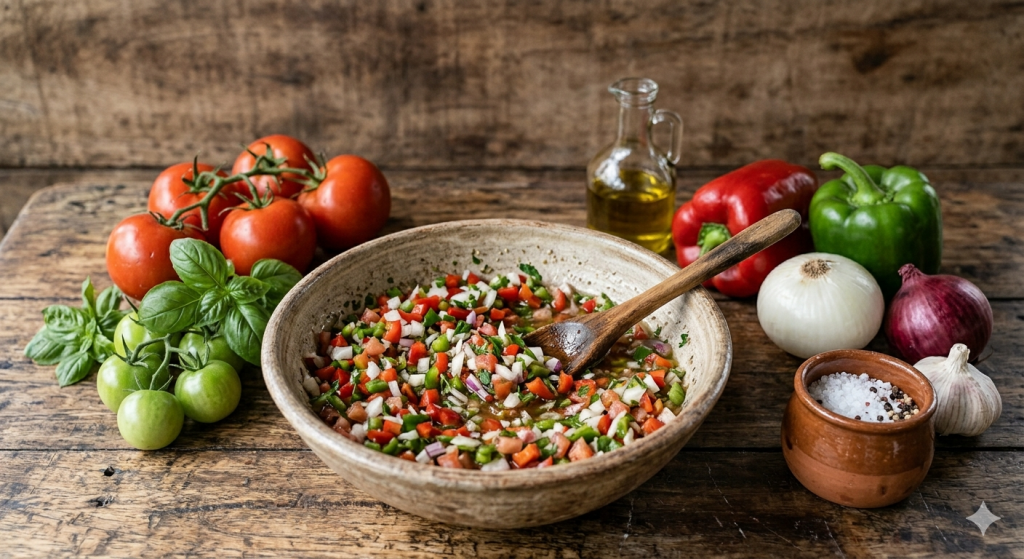
Salsa criolla
It brings freshness, crunch and colour to the plate. It is made by chopping red pepper, green pepper, spring onion and peeled, deseeded tomato into a fine brunoise (very small, identical dice). It is dressed with two parts olive oil to one part apple cider vinegar, and salt. It is the perfect sharp counterpoint to fatty cuts such as tira de asado.
Presentation tips for private tastings and professional events
When you organise a tasting day, the order and temperature of the elements shape how the customer sees the product. Here is how to get the service right:
The order of the menu: start the tasting with quick-cooking cuts (such as entraña or secreto, an Iberian pork cut) with the freshness of salmorejo or salsa criolla. Keep the long-cooking cuts, basted continuously with salmuera, for the centrepiece of the event.
Separate dressing stations: at corporate events or catered occasions, set up a clearly labelled area for dressings. Let restaurant professionals judge the thickness of your sauces and the quality of the oils you use.
Temperature control: while the meat should go straight from the Argentine grill to the plate at the highest possible core temperature, sauces such as salmorejo need to stay in a strict cold chain until the exact moment of serving, to maximise the contrast in temperature.
Configurator
Choose your grill in the configurator
Choose the grill and the size, and we will send you a quote with a drawing.
The right equipment: the foundation of a professional asado
Culinary excellence depends not only on the recipe but also on the tools used to carry it out. A custom barbecue, designed with hard-wearing materials, height control and effective heat distribution, is the deciding factor that ensures the dressings do their technical job without the meat scorching or drying out.
At Selinger Barbacoas we know the ritual of fire and the demands of hospitality professionals in depth. We design and make handcrafted Argentine grills and specific accessories that let you control every variable of the cooking, so that your preparations and culinary innovations always look their best, with technical precision.
We use analytics cookies to understand how the website is used. They are only activated if you accept.
Technical
Always active
Necessary for the website to work and to remember your choice.
Preferences
El almacenamiento o acceso técnico es necesario para la finalidad legítima de almacenar preferencias no solicitadas por el abonado o usuario.
Analytics
They tell us how the website is used, with Google Analytics 4.El almacenamiento o acceso técnico que se utiliza exclusivamente con fines estadísticos anónimos. Sin un requerimiento, el cumplimiento voluntario por parte de tu proveedor de servicios de Internet, o los registros adicionales de un tercero, la información almacenada o recuperada sólo para este propósito no se puede utilizar para identificarte.
Marketing
El almacenamiento o acceso técnico es necesario para crear perfiles de usuario para enviar publicidad, o para rastrear al usuario en una web o en varias web con fines de marketing similares.