Barbecue on wheels or built-in barbecue: which to choose
By Selinger Barbacoas5 min read
Introduction
When choosing between a barbecue on wheels and a built-in (brick-built) barbecue, many users – both private customers and professionals – are unsure which option is the most practical, durable and suitable for their space. At Selinger Barbacoas we make both, but experience shows us that mobile barbecues offer clear advantages in mobility, installation, maintenance and adaptability. This article looks at the differences between the two systems in a technical and objective way, to help you make the best decision for your needs.
Barbecue on wheels or built-in barbecue: what really sets them apart?
Although both do the same job, their day-to-day behaviour is very different. The key is how they fit into the space, how they are used and how much flexibility they offer.
Barbecue on wheels (Selinger Barbacoas)
Ready to use from day one
Can be moved according to the weather, the wind direction or the layout of the space
Ideal for house moves, changing terraces or living gardens
Needs no building work, no bricklaying and no drying time
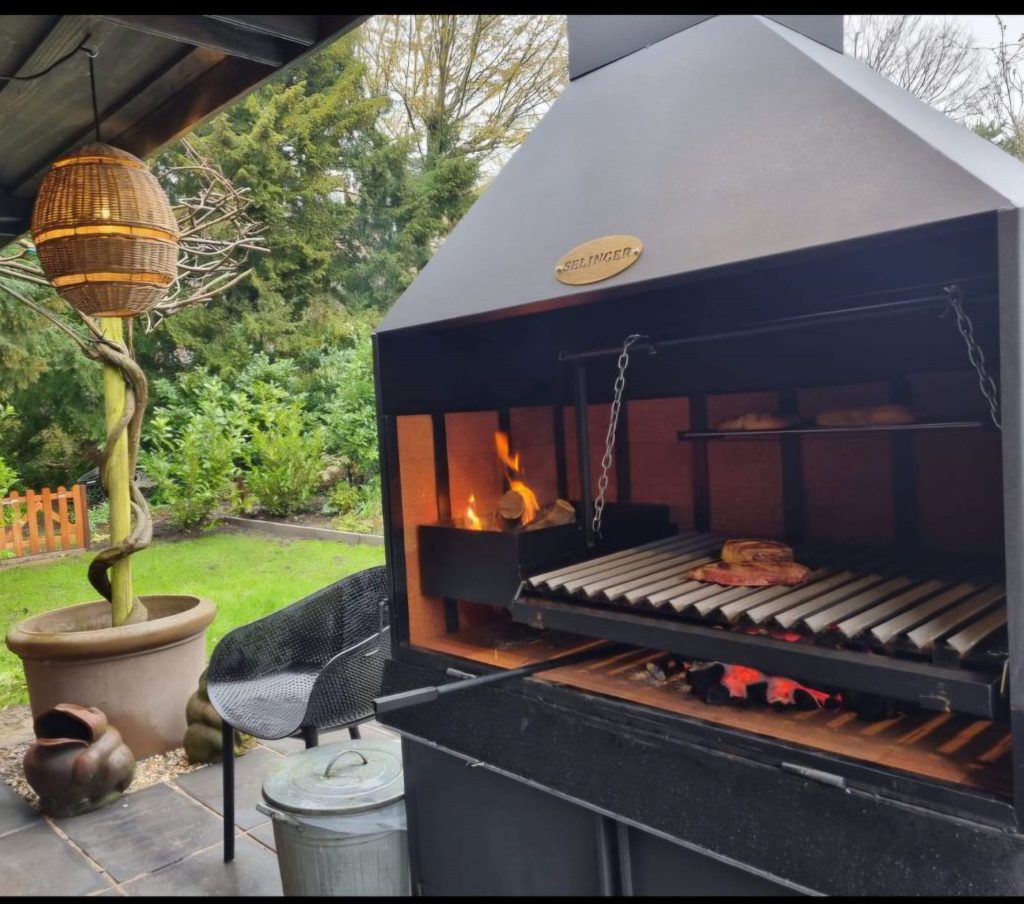
Designed as a complete product: structure, grill, drawer, wheels and finishes in a single unit
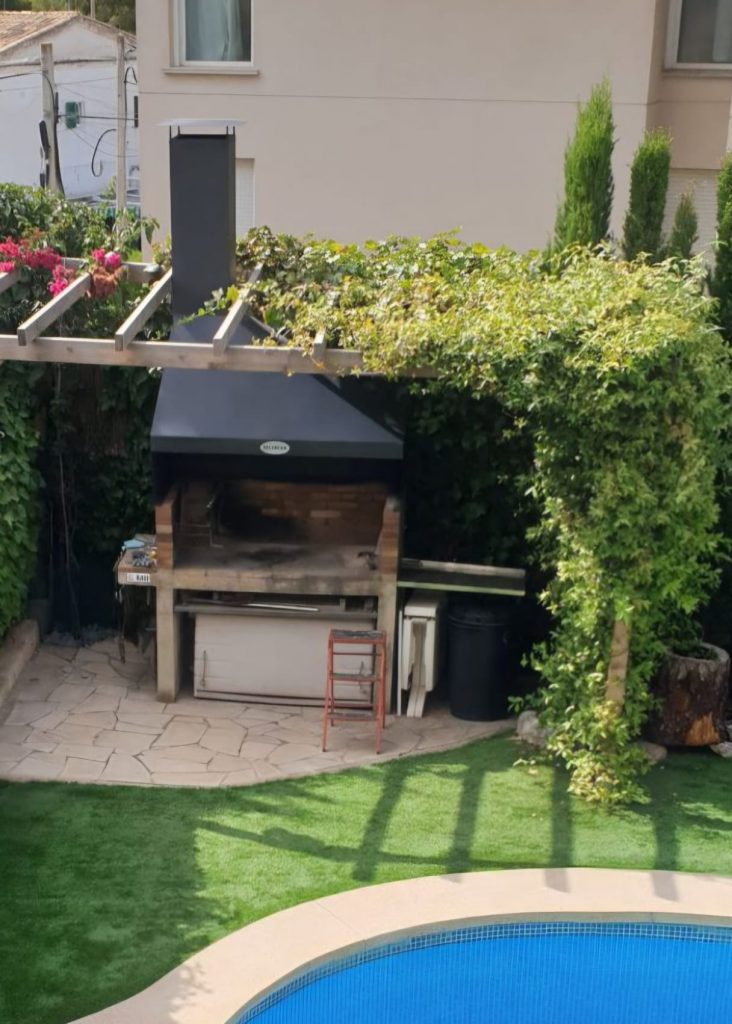
Built-in barbecue
A fixed, permanent solution
Needs a bricklayer, materials and planning beforehand
Cannot be moved in rain, wind or when use changes
Depends on the quality of the construction for its durability
Needs drying and curing time before it can be used
Practical advantages of a Selinger barbecue on wheels
Total mobility A mobile barbecue adapts to any situation:
Move it to a new spot according to the wind direction
Shelter it under cover when it rains
Reposition it for events, gatherings or changes of layout
Keep it indoors over winter
For rented homes, second homes or hospitality businesses, this flexibility is key.
Ready to use from the first minute Selinger barbecues arrive fully assembled or with minimal assembly. On site there is no need for:
Mortar to dry
Hoods to be installed
Worktops to be built
Structural adjustments
It is a handcrafted piece, welded in our workshop in Granada, ready to use as soon as it arrives.
Durability and controlled maintenance Because it is not permanently exposed to the weather, a mobile barbecue can be put under shelter, which extends its working life and reduces wear from:
Rain
Damp
Frost
Direct sun
When to choose a built-in barbecue: cases where it is still the best option
Although mobile barbecues are the most versatile solution, there are situations where a built-in barbecue is the right alternative.
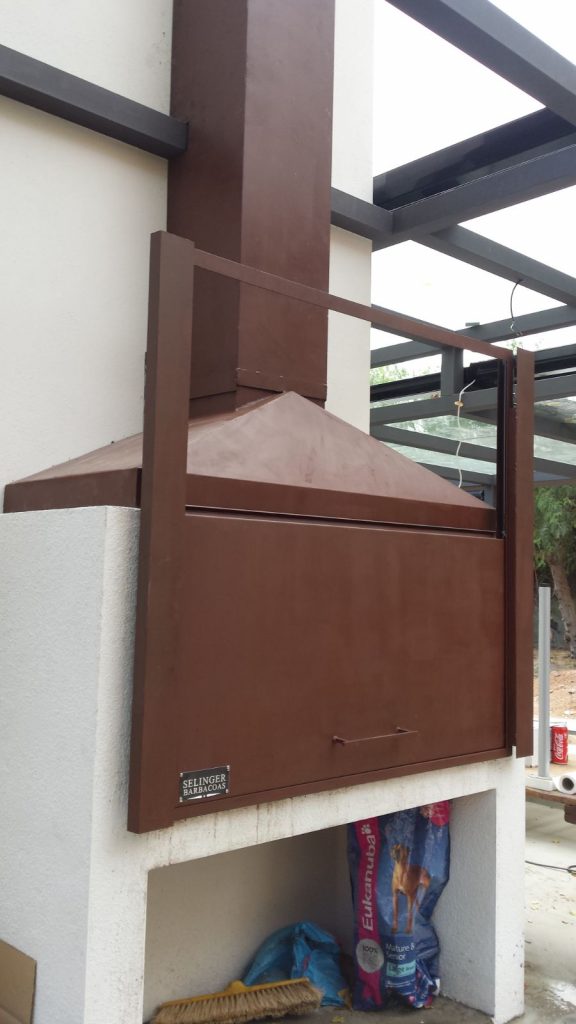
Hard-to-reach areas In inner courtyards, roof terraces without a lift or spaces where a complete body cannot be brought in, the solution is to:
Build a brick base
Have your builder fit a Selinger grill
Add a Selinger hood or an integral built-in body
Architectural integration When the project calls for an aesthetic fully integrated into the construction, building in lets you customise:
Worktops
Bench seating
Cladding
Auxiliary spaces
Hospitality projects with a fixed outdoor kitchen In some cases, the business needs a permanent, sturdy cooking point, and a built-in barbecue can be a valid solution.
Costs, timing and logistics: differences that matter
Barbecue on wheels
Fixed, predictable cost
No building work or extra tradespeople
Fixed lead time: about 2 months for a domestic model (3 for a large, hospitality or stainless steel one), from the approved drawing and the deposit
Ready to use on arrival
Built-in barbecue
Variable cost depending on the bricklayer, materials and design
Building and drying times
Possible repairs for cracks or heat wear
Need for specific materials that can withstand high temperatures
Technical TIP: how to build a built-in barbecue properly
If you finally opt for a built-in barbecue, it is essential that it is well built to avoid problems later. Here is a professional tip:
Selinger building TIP To ensure stability, durability and heat resistance:
Structural base
Use concrete blocks or solid brick
Reinforce the base with welded mesh or ribbed rebar
Suitable mortar
Use refractory mortar or special cement that withstands high temperatures
Fire chamber
Build it with firebricks
Avoid hollow pieces or materials that could crack
Hood and draught
Make sure the flue outlet is in proportion
Fit a Selinger hood to ensure an efficient draught
Drying
Respect the curing times before lighting it for the first time
A badly built structure can develop cracks, lose draught or even break from thermal shock.
In conclusion: a solution for every need, but mobility makes the difference
Both barbecues on wheels and built-in barbecues have their place. However, for most users – private customers and professionals – the barbecue on wheels offers a more complete, flexible and efficient solution. It adapts to the weather, the space and changes in your life, with no building work or drying times and with the handcrafted quality of Selinger Barbacoas.
If you want a barbecue that evolves with you, that you can move, protect and use from day one, the mobile option best meets today’s needs.
We use analytics cookies to understand how the website is used. They are only activated if you accept.
Technical
Always active
Necessary for the website to work and to remember your choice.
Preferences
El almacenamiento o acceso técnico es necesario para la finalidad legítima de almacenar preferencias no solicitadas por el abonado o usuario.
Analytics
They tell us how the website is used, with Google Analytics 4.El almacenamiento o acceso técnico que se utiliza exclusivamente con fines estadísticos anónimos. Sin un requerimiento, el cumplimiento voluntario por parte de tu proveedor de servicios de Internet, o los registros adicionales de un tercero, la información almacenada o recuperada sólo para este propósito no se puede utilizar para identificarte.
Marketing
El almacenamiento o acceso técnico es necesario para crear perfiles de usuario para enviar publicidad, o para rastrear al usuario en una web o en varias web con fines de marketing similares.